
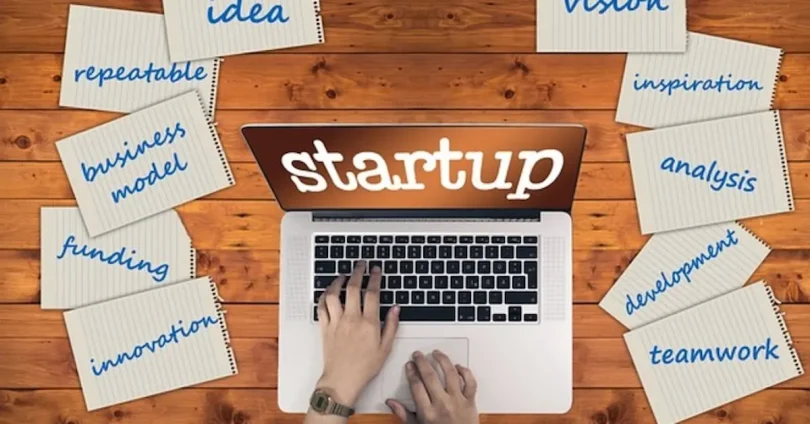

Startup growth trends play an important role in shaping how new businesses grow and succeed in today’s competitive market. As technology, customer behavior, and business models continue to change, startups must adapt quickly to survive and scale. Understanding these trends helps entrepreneurs identify new opportunities, avoid common mistakes, and build strong strategies for long-term success. Whether you are a founder, investor, or business enthusiast, keeping up with startup growth trends can give you a clear advantage in the modern business world. startup growth trends
What Are Startup Growth Trends?
Startup growth trends are the common methods, ideas, and strategies that help startups grow and succeed in a competitive market. These trends highlight how new businesses expand their customer base, improve products or services, and increase revenue over time. They are shaped by changes in technology, consumer behavior, and market demands.
How Startup Growth Trends Work
Startup growth trends show the direction in which the startup ecosystem is moving. When many startups start using similar tools, platforms, or business models, it becomes a trend. These trends help founders understand which approaches are effective and which ones may no longer work in today’s market.
Types of Startup Growth Trends
Startup growth trends can include technology-driven growth, such as artificial intelligence and automation, business model changes like subscription-based services, and marketing strategies focused on digital platforms. Each trend offers startups new ways to scale faster and operate more efficiently.
Why Understanding Startup Growth Trends Is Important
Understanding startup growth trends helps entrepreneurs make informed decisions and avoid costly mistakes. By following the right trends, startups can stay competitive, meet customer expectations, and adapt quickly to market changes. This knowledge also helps investors identify startups with strong growth potential.
Startup Growth Trends in Today’s Market
In today’s fast-moving business environment, startup growth trends are constantly evolving. Startups that stay updated and flexible are more likely to survive and grow. Keeping an eye on these trends allows startups to plan better strategies and achieve long-term success.
Why Startup Growth Trends Matter

Startup growth trends matter because they guide startups toward smarter, faster, and more sustainable growth. In a business environment where competition is high and markets change quickly, understanding growth trends helps startups avoid common mistakes and focus on strategies that actually work. These trends provide a clear roadmap for turning ideas into successful businesses.
Help Startups Stay Competitive in the Market
Following startup growth trends allows businesses to keep up with competitors and industry leaders. When startups adopt modern tools, innovative business models, and customer-focused strategies, they can compete more effectively—even with limited resources. Staying updated with trends helps startups respond quickly to market changes and customer expectations.
Improve Strategic Planning and Execution
Startup growth trends help founders plan better strategies. By understanding which approaches are driving growth, startups can set realistic goals, choose the right marketing channels, and allocate resources wisely. This leads to better execution and reduces the chances of failure during early growth stages.
Support Smarter Use of Technology
Many startup growth trends are closely linked to technology. Trends such as automation, data analytics, and digital platforms help startups operate efficiently and scale faster. Using the right technology trends saves time, reduces costs, and improves overall performance.
Increase Investor Confidence and Funding Opportunities
Investors closely follow startup growth trends to identify high-potential businesses. Startups that align with popular and scalable trends are more likely to attract funding. Showing awareness of growth trends also demonstrates that founders understand the market and are prepared for future challenges.
Build Strong Customer Relationships
Growth trends emphasize customer experience, personalization, and engagement. Startups that follow these trends can better understand their audience, deliver value, and build long-term customer trust. Strong customer relationships lead to repeat business and positive word-of-mouth growth.
Encourage Long-Term and Sustainable Success
Startup growth trends are not just about quick wins. They promote sustainable growth by focusing on scalability, innovation, and adaptability. Startups that understand and apply the right trends are better prepared for long-term success in an ever-changing business landscape.
you may also like to read these posts;
Business Finance Updates: Latest Trends Every Company Must Know
Personal Finance News: Smart Money Updates You Need
Top Latest Finance Updates to Boost Your Financial Knowledge
Finance News Updates: Stay Ahead in Markets & Investments
Money Market Updates: What’s Happening and Why It Matters
Major Startup Growth Trends Today
Startup growth today is driven by innovation, flexibility, and a strong focus on customer needs. As markets become more competitive, startups are adopting modern strategies to scale faster and build sustainable businesses. Below are the major startup growth trends today, explained in a simple and helpful way.
Artificial Intelligence (AI) and Automation
AI and automation are among the strongest startup growth trends today. Startups use AI for customer support chatbots, personalized marketing, data analysis, and product recommendations. Automation helps reduce manual work, improve accuracy, and save costs, allowing startups to scale without hiring large teams.
Digital-First and Online Business Models
Most modern startups are built as digital-first businesses. From online services to mobile apps and cloud-based platforms, startups focus on reaching customers online. This trend helps businesses grow globally with lower investment and faster market entry.
Remote and Hybrid Work Models
Remote and hybrid work has become a long-term growth strategy for startups. By allowing employees to work from anywhere, startups can hire global talent, reduce office expenses, and increase productivity. This flexibility also improves employee satisfaction and retention.
Subscription-Based and Recurring Revenue Models
Subscription models are popular because they provide stable and predictable income. SaaS platforms, streaming services, learning apps, and digital tools use monthly or yearly subscriptions. This model helps startups plan better and build long-term customer relationships.
Strong Focus on Customer Experience
Customer-centric growth is a key trend today. Startups invest in user-friendly design, fast support, personalization, and regular feedback. Happy customers are more likely to return, recommend the brand, and support long-term growth.
Growth Through Social Media and Content Marketing
Startups are using social media platforms, blogs, videos, and influencer marketing to grow their audience. Content marketing builds trust, increases brand awareness, and attracts organic traffic at a lower cost compared to traditional advertising.
Fintech and Digital Payment Solutions
Fintech startups are growing rapidly by offering digital wallets, online banking, payment apps, and lending platforms. Cashless payments and mobile banking are making financial services faster and more accessible, especially for small businesses and individuals.
Healthtech, Wellness, and Mental Health Startups
Health-focused startups are gaining popularity. Telemedicine, fitness apps, mental health platforms, and digital health tools are in high demand. These startups focus on convenience, affordability, and accessibility.
Sustainability and Green Innovation
Eco-friendly startups are becoming more important as consumers care about the environment. Startups focused on renewable energy, sustainable products, recycling, and ethical production are attracting attention from both customers and investors.
Data-Driven Growth Strategies
Startups rely heavily on data to make decisions. Analytics tools help track customer behavior, sales performance, and marketing success. Data-driven startups can improve products, reduce risks, and grow more efficiently.
Community Building and Brand Trust
Many startups grow by building strong communities around their brand. Online forums, social media groups, and user communities help startups engage directly with customers, build trust, and encourage brand loyalty.
Key Industries Driving Startup Growth
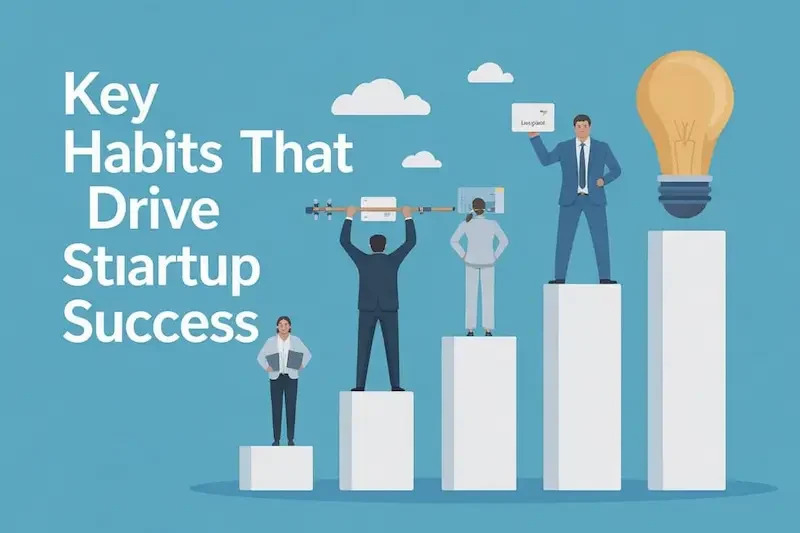
Several industries are playing a powerful role in driving startup growth across the world. These industries are expanding rapidly due to digital innovation, changing customer behavior, and increasing demand for modern solutions. Startups entering these sectors have strong opportunities to scale and succeed.
Technology and Software Startups
The technology and software industry remains the biggest driver of startup growth. Startups build mobile apps, cloud platforms, SaaS products, AI-based tools, and cybersecurity solutions. These businesses grow quickly because software products are scalable, cost-effective, and can reach global users with minimal infrastructure.
Fintech and Digital Financial Services
Fintech startups are reshaping traditional banking and finance systems. Digital wallets, mobile banking apps, online payment gateways, lending platforms, and investment tools are in high demand. This industry supports startup growth by offering faster, safer, and more accessible financial services to individuals and businesses.
Healthtech, Fitness, and Wellness Industry
Healthtech startups focus on improving healthcare access through technology. Telemedicine platforms, health monitoring apps, fitness trackers, and mental health services are growing rapidly. Increased health awareness and demand for convenient medical solutions are driving strong growth in this sector.
Edtech and Online Education Platforms
Edtech startups are transforming education through online learning platforms, skill development courses, exam preparation apps, and virtual classrooms. The demand for flexible, affordable, and remote education has made edtech one of the fastest-growing startup industries.
E-commerce and Direct-to-Consumer (DTC) Brands
E-commerce startups are growing by selling products directly to customers online. From fashion and electronics to groceries and handmade goods, digital shopping convenience and social media marketing are fueling growth in this industry.
Green Energy and Sustainable Businesses
Sustainability-focused startups are becoming increasingly important. Startups working in renewable energy, electric vehicles, eco-friendly packaging, recycling, and sustainable products are gaining customer trust and investor interest due to growing environmental concerns.
Media, Content, and Creator Economy
Startups in media and content creation are growing through blogs, podcasts, video platforms, influencer marketing tools, and online communities. The rise of social media and digital content consumption has created new income opportunities for creators and startups alike.
Logistics, Delivery, and Supply Chain Solutions
Logistics startups are improving transportation, delivery speed, inventory management, and supply chain efficiency. The growth of e-commerce and global trade has increased demand for smart logistics and last-mile delivery solutions.
Foodtech and Online Food Services
Foodtech startups are gaining popularity through online food delivery apps, cloud kitchens, meal subscription services, and health-focused food brands. Changing lifestyles and demand for convenience are driving startup growth in this industry.
Real Estate Technology (PropTech)
PropTech startups are modernizing the real estate industry through online property platforms, digital payments, virtual tours, and smart property management tools. This industry offers strong growth potential due to increasing urbanization and digital adoption.
These industries continue to shape the startup ecosystem by providing innovation, scalability, and long-term growth opportunities. Startups that choose the right industry and adapt to market trends can achieve sustainable success.
What are startup growth trends?
Startup growth trends are the popular strategies, technologies, and business models that help startups grow faster and scale successfully. These trends reflect what is currently working in the startup ecosystem and guide founders in making smarter decisions.
Why are startup growth trends important for new startups?
Startup growth trends help new startups understand market demands, reduce risks, and stay competitive. By following proven trends, startups can save time, avoid common mistakes, and build sustainable growth strategies.
Which industries show the highest startup growth today?
Industries such as technology, fintech, healthtech, edtech, e-commerce, and sustainability are showing strong startup growth. These sectors benefit from digital transformation and changing consumer behavior.
Conclusion
Startup growth trends play a vital role in shaping the success of modern businesses. As markets continue to evolve, startups that understand and adapt to these trends are better positioned to grow, compete, and survive in a crowded business environment. From technology adoption and customer-focused strategies to emerging industries and sustainable practices, growth trends provide a clear direction for startups at every stage.
By staying informed, flexible, and focused on long-term goals, startups can turn challenges into opportunities. Following the right startup growth trends not only supports faster growth but also helps build strong, scalable, and future-ready businesses in today’s dynamic startup ecosystem.


