
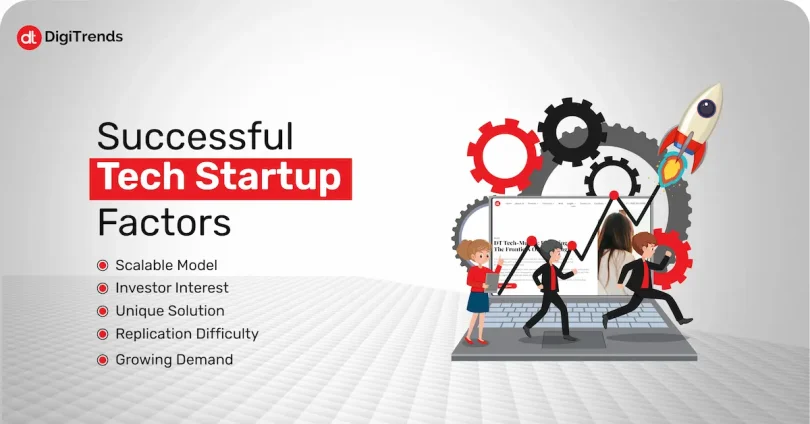

Tech startup trends play a vital role in shaping the future of technology and business. From artificial intelligence and cloud computing to green tech and cybersecurity, startups are using emerging technologies to solve real-world problems and create innovative solutions. These trends highlight how fast the tech ecosystem is evolving and why staying updated is more important than ever. Tech Startup Trends
Understanding tech startup trends helps entrepreneurs identify new opportunities, investors make smarter decisions, and businesses adapt to digital transformation. As technology continues to advance, startups that focus on innovation, customer needs, and scalability will lead the way. By keeping an eye on these trends, individuals and organizations can prepare for the future and stay competitive in the ever-changing world of technology.Tech Startup Trends
What Are Tech Startup Trends?
Tech startup trends are the emerging ideas, technologies, and business approaches that modern technology startups are using to build innovative products and services. These trends reflect how new companies apply digital tools, software, and advanced technology to solve real-world problems and meet changing customer needs.
Understanding Tech Startup Trends
Tech startup trends develop when new technologies become available or when market demands shift. For example, the growing use of smartphones, cloud computing, and artificial intelligence has encouraged startups to create mobile apps, online platforms, and automated solutions. These trends help explain why certain types of startups gain popularity at specific times.
How Tech Startup Trends Shape Innovation
Tech startup trends play a key role in driving innovation. They push startups to think creatively and find smarter ways to improve efficiency, user experience, and scalability. By following trends, startups can build products that are more relevant, competitive, and future-ready.
Role of Market Demand and Technology
Market needs and technological advancements work together to create tech startup trends. When customers look for faster services, better security, or more convenience, startups respond with tech-based solutions. At the same time, new technologies like AI, blockchain, and IoT open doors to fresh startup ideas.
Why Tech Startup Trends Are Important
Understanding tech startup trends helps entrepreneurs spot opportunities early and plan their business strategies wisely. Investors use these trends to identify high-growth potential startups, while businesses use them to stay updated with digital transformation. Overall, tech startup trends act as a guide to understanding the future direction of the technology industry.
Why Tech Startup Trends Matter

Tech startup trends matter because they show the direction in which technology, innovation, and business models are moving. These trends help people understand what is changing in the digital world and how startups are responding to new challenges and opportunities. Staying informed about tech startup trends allows businesses and individuals to adapt quickly in a fast-changing environment.
Helps Entrepreneurs Build Smarter Businesses
For entrepreneurs, tech startup trends act as a guide for building relevant and future-ready products. By following these trends, founders can identify gaps in the market and create solutions that customers actually need. This reduces the risk of failure and increases the chances of long-term growth.
Supports Better Investment Decisions
Investors closely follow tech startup trends to find high-potential industries and innovative ideas. Trends highlight which technologies are gaining traction and which markets are expanding. This information helps investors make informed decisions and allocate resources more effectively.
Encourages Innovation and Technological Progress
Tech startup trends push companies to innovate continuously. Startups experiment with new technologies such as artificial intelligence, cloud computing, and automation to stay competitive. This constant innovation leads to better products, improved services, and faster technological progress.
Helps Established Businesses Stay Competitive
Not only startups but also large companies benefit from tech startup trends. Established businesses use these trends to update their systems, improve efficiency, and adopt digital tools. This helps them remain competitive in a market influenced by fast-moving startups.
Improves Customer Experience
Many tech startup trends focus on enhancing user experience. Whether it’s faster digital payments, personalized services, or easy-to-use apps, these trends lead to greater convenience and satisfaction for customers.
Creates New Jobs and Skills
As tech startups grow, they create new job opportunities in areas like software development, data analysis, cybersecurity, and digital marketing. Understanding these trends helps individuals develop in-demand skills and stay competitive in the job market.
Supports Economic Growth
Tech startups contribute to economic growth by attracting investment, increasing productivity, and encouraging innovation. Tech startup trends help governments and organizations understand where growth is happening and how to support emerging industries.
Prepares Businesses and Individuals for the Future
By understanding tech startup trends, businesses can plan ahead and invest in the right technologies. Individuals can also prepare for future career opportunities by learning skills related to emerging technologies.
you may also like to read these posts;
Business Finance Updates: Latest Trends Every Company Must Know
Personal Finance News: Smart Money Updates You Need
Top Latest Finance Updates to Boost Your Financial Knowledge
Finance News Updates: Stay Ahead in Markets & Investments
Money Market Updates: What’s Happening and Why It Matters
Key Tech Startup Trends to Watch
Tech startups continue to reshape industries by introducing innovative technologies and smarter business models. These tech startup trends highlight the areas where rapid growth, investment, and innovation are taking place, making them important to watch for entrepreneurs, businesses, and investors.
Artificial Intelligence (AI) and Automation
Artificial intelligence is one of the strongest tech startup trends today. Startups are using AI to automate repetitive tasks, analyze customer data, improve decision-making, and deliver personalized experiences. Automation powered by AI helps companies save time, reduce costs, and scale faster.
Generative AI and Smart Content Tools
Generative AI is becoming popular among tech startups that focus on content creation, design, coding, and marketing. These startups build tools that can generate text, images, videos, and software code, helping businesses improve productivity and creativity.
FinTech and Embedded Finance
FinTech startups are not only offering payment apps but also embedding financial services into other platforms. Embedded finance allows users to access payments, loans, insurance, and banking services directly within apps and websites, making financial services more seamless.
HealthTech and AI-Based Healthcare
HealthTech startups are using AI and data analytics to improve medical diagnosis, patient monitoring, and treatment planning. Remote healthcare services, mental health apps, and digital fitness platforms are making healthcare more accessible and personalized.
SaaS and Vertical SaaS Solutions
SaaS remains a strong tech startup trend, with a growing focus on vertical SaaS. These startups create software tailored to specific industries such as healthcare, education, real estate, and retail. Vertical SaaS offers specialized features that solve industry-specific problems.
Remote Work, Hybrid Work, and HR Tech
Startups are developing tools that support remote and hybrid work environments. HR tech startups focus on employee management, recruitment, performance tracking, and workplace wellness. These tools help companies build productive and flexible work cultures.
Cybersecurity and Data Privacy
As cyber threats increase, cybersecurity startups are gaining attention. These startups develop solutions for data protection, identity verification, secure cloud access, and fraud prevention. Data privacy-focused startups help businesses comply with regulations and protect user trust.
Blockchain and Web3 Technologies
Blockchain-based startups are expanding into areas like decentralized finance, digital identity, NFTs, and smart contracts. Web3 startups aim to give users more control over data and digital assets, creating transparent and decentralized platforms.
Internet of Things (IoT) and Smart Devices
IoT startups connect physical devices to digital systems using sensors and real-time data. These solutions are used in smart homes, healthcare devices, logistics, agriculture, and manufacturing, improving efficiency and automation.
Green Tech and Climate Tech
Climate-focused tech startups are addressing environmental challenges through clean energy, carbon tracking, electric mobility, and sustainable materials. These startups combine innovation with environmental responsibility, attracting global attention and investment.
EdTech and Online Learning Platforms
EdTech startups are transforming education with online courses, virtual classrooms, AI tutors, and skill-based learning platforms. These solutions make learning flexible, affordable, and accessible for students and professionals.
E-commerce Tech and Digital Marketplaces
Tech startups are improving e-commerce through AI-driven recommendations, faster delivery systems, digital payments, and social commerce. Marketplaces powered by technology help small businesses reach global customers more easily.
Emerging Technologies Shaping Startups
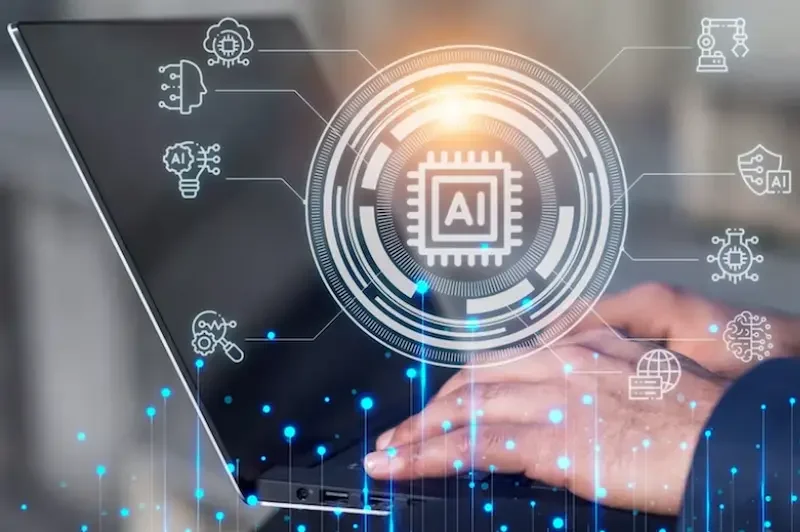
Emerging technologies are transforming how startups operate, innovate, and scale. These technologies help new businesses build advanced solutions, reduce costs, and compete with established companies. As technology evolves, startups that adopt these innovations early gain a strong advantage in the market.
Artificial Intelligence and Machine Learning
Artificial intelligence and machine learning are reshaping startup innovation by enabling smarter automation and data-driven decisions. Startups use AI to personalize user experiences, predict customer behavior, automate customer support, and improve product recommendations. Machine learning models help startups continuously improve their services over time.
Generative AI and Natural Language Processing
Generative AI allows startups to create content, designs, and software code automatically. Startups use natural language processing to build chatbots, voice assistants, and language translation tools. These technologies increase productivity and reduce the need for manual work.
Internet of Things (IoT)
IoT connects devices, sensors, and machines through the internet, allowing startups to collect real-time data. Startups apply IoT in smart homes, healthcare monitoring, agriculture, logistics, and industrial automation. This technology improves efficiency, safety, and decision-making.
Blockchain and Decentralized Systems
Blockchain technology enables secure, transparent, and decentralized data management. Startups use blockchain for digital payments, smart contracts, supply chain tracking, and identity verification. Decentralized systems reduce dependency on intermediaries and increase trust among users.
Cloud Computing and Serverless Technology
Cloud computing allows startups to access powerful computing resources without high infrastructure costs. Serverless technology helps startups run applications without managing servers, making development faster and more cost-effective. These technologies support scalability and global reach.
Big Data and Advanced Analytics
Big data technologies help startups analyze large datasets to understand customer behavior, market trends, and performance metrics. Advanced analytics enable startups to make informed decisions, optimize operations, and create data-driven strategies.
5G and High-Speed Connectivity
5G technology offers faster data transfer and lower latency, enabling startups to build advanced real-time applications. This includes smart cities, autonomous vehicles, remote healthcare, online gaming, and high-quality video streaming solutions.
Augmented Reality (AR) and Virtual Reality (VR)
AR and VR technologies help startups create immersive and interactive experiences. These technologies are used in education, training, retail, real estate, healthcare, and entertainment, improving user engagement and learning outcomes.
Edge Computing
Edge computing processes data closer to where it is generated, reducing delays and improving performance. Startups use edge computing for real-time analytics, IoT systems, and smart devices where speed and reliability are critical.
Robotics and Automation
Robotics and automation enable startups to increase efficiency and accuracy in manufacturing, logistics, healthcare, and customer service. These technologies help reduce manual labor and support large-scale operations.
Cybersecurity and Privacy Technologies
Cybersecurity technologies are essential for protecting digital systems and user data. Startups focus on encryption, secure authentication, fraud detection, and data privacy solutions to build trust and comply with regulations.
Digital Twins and Simulation Technology
Digital twin technology allows startups to create virtual models of physical systems. These models help test ideas, predict outcomes, and improve performance in industries such as manufacturing, healthcare, and urban planning.
Quantum Computing (Early Stage)
Quantum computing is still emerging, but startups are exploring its potential for complex problem-solving, cryptography, and advanced data analysis. While in early stages, this technology may shape the future of high-performance computing.
What are tech startup trends?
Tech startup trends are the popular technologies, ideas, and business models that new technology-based companies are currently focusing on. These trends show how startups use innovation to solve problems and meet changing market needs.
Why should I follow tech startup trends?
Following tech startup trends helps you stay updated with the latest innovations in technology. It allows entrepreneurs to find new business opportunities, investors to make informed decisions, and professionals to develop in-demand skills.
Which tech startup trends are growing the fastest?
Some of the fastest-growing tech startup trends include artificial intelligence, generative AI, FinTech, HealthTech, SaaS, green technology, and cybersecurity. These areas are attracting strong investment and rapid adoption.
Conclusion
Tech startup trends play a vital role in shaping the future of technology and business. From artificial intelligence and cloud computing to green tech and cybersecurity, startups are using emerging technologies to solve real-world problems and create innovative solutions. These trends highlight how fast the tech ecosystem is evolving and why staying updated is more important than ever.
Understanding tech startup trends helps entrepreneurs identify new opportunities, investors make smarter decisions, and businesses adapt to digital transformation. As technology continues to advance, startups that focus on innovation, customer needs, and scalability will lead the way. By keeping an eye on these trends, individuals and organizations can prepare for the future and stay competitive in the ever-changing world of technology.


